
Books
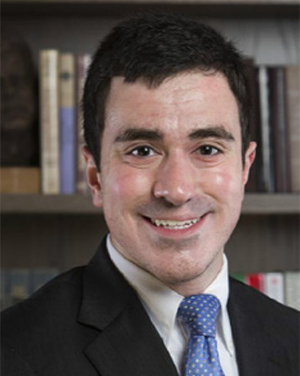
Geoffrey Martello – Harvard University
Geoffrey Martello, Medway, MA was awarded the Dr. John B. Mulliken Scholarship. He is currently enrolled at Harvard University in the pre-medicine track.

Grace Hart – Rhode Island College
Jane C. McDaid Memorial Scholarship - 2023

Gracie Johnson – Western Connecticut State University
The Barbara Seltzer Memorial Scholarship will be awarded to Gracie Johnson from Marlborough, CT. Gracie will attend Western Connecticut State University in Danbury, CT where she will study pediatric nursing.
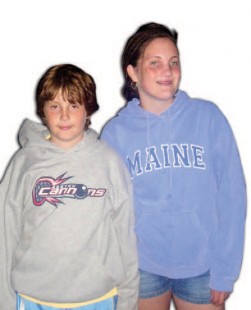
Growing Up Together
All sibling relationships have their ups and downs and tend to be a blend of loyalty and rivalry. “Families in which a child has a craniofacial difference are more alike than different from other families,” says Elisa Bronfman, PhD, a staff psychologist in the Medical Coping Clinic at Children’s Hospital Boston.
Handling Teasing and Making Friends
We all have differences. Our looks or how we speak or act can make other people curious about us and may lead to teasing and bullying. Children and teens with facial differences can sometimes feel left out or put down through no fault of their own. Preparing for attention and questions from classmates, strangers, or others can help build confidence in social situations.
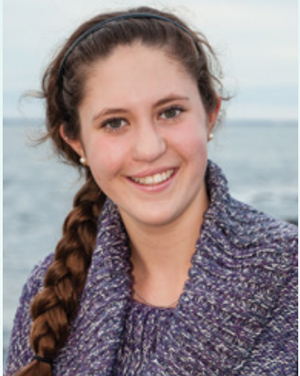
Hannah Brown – Holy Cross
Hannah Brown, Cape Neddick, ME was awarded the Dr. John B. Mulliken Scholarship. She graduated from York High School.

Holly Chin – Wellesley College
The John B. Mulliken Scholarship Award - 2022

If You’re Having a “Ruff” Day, Play with a Dog!
Spending moments with a dog, whether your own or someone else’s, is sure to make you a happier human. And you will also have at least one very happy dog.

In Gratitude – Jane McDaid
Our heartfelt thanks to Jane McDaid, who recently resigned from her position as FFC co-president after leading the organization for seven years.